Custom rotocast vinyl figures

How vinyl figures are actually made
Vinyl figures are hollow. A measured charge of plastisol goes into a heated mould, the mould turns on two axes until the wall thickness is even, then it cools and the body comes out as one seamless shell. That is why a vinyl figure keeps a rounded, weighted-feeling silhouette that injection moulding cannot produce, and why the mould cost stays low enough for a short run.
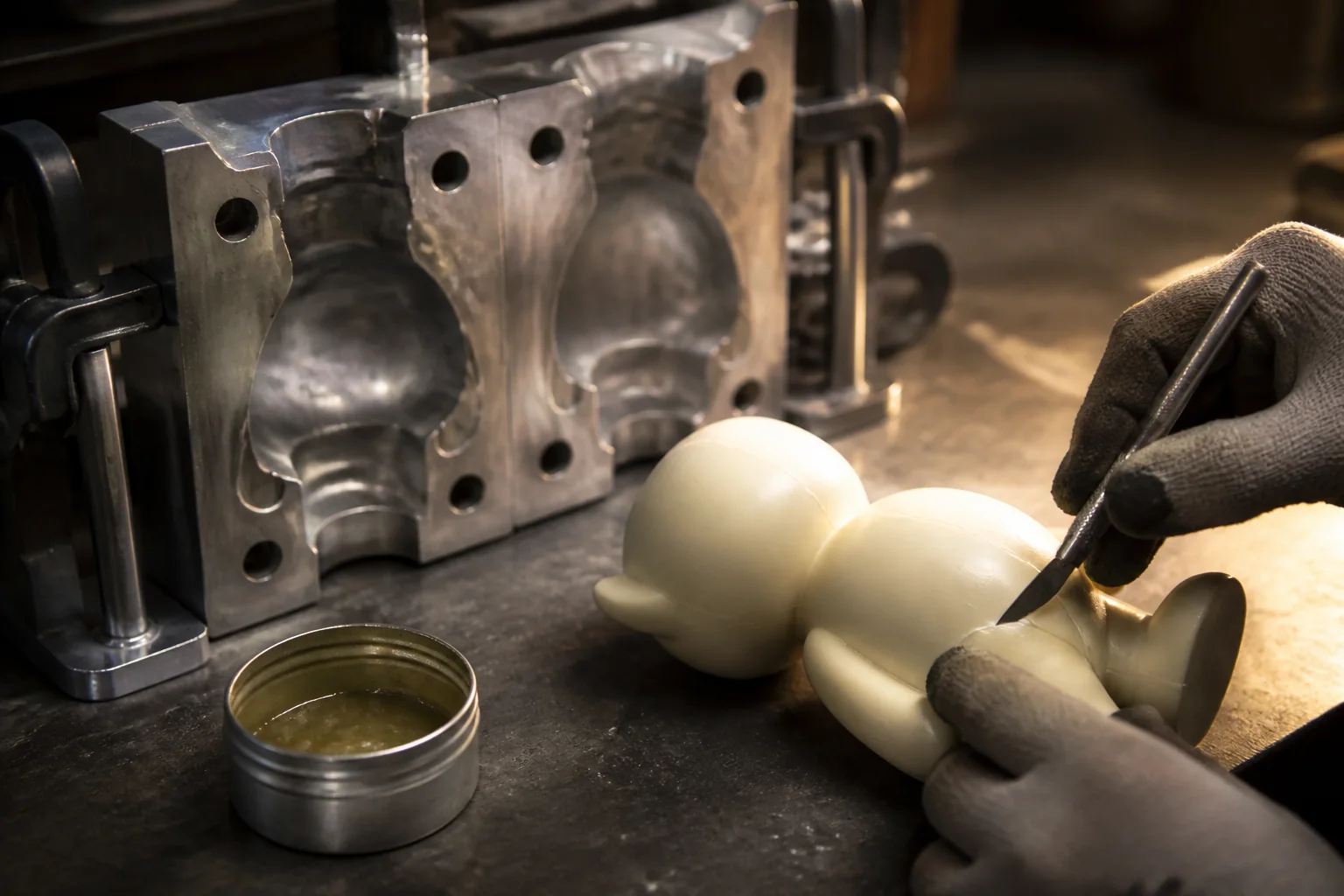

Vinyl figures on the bench

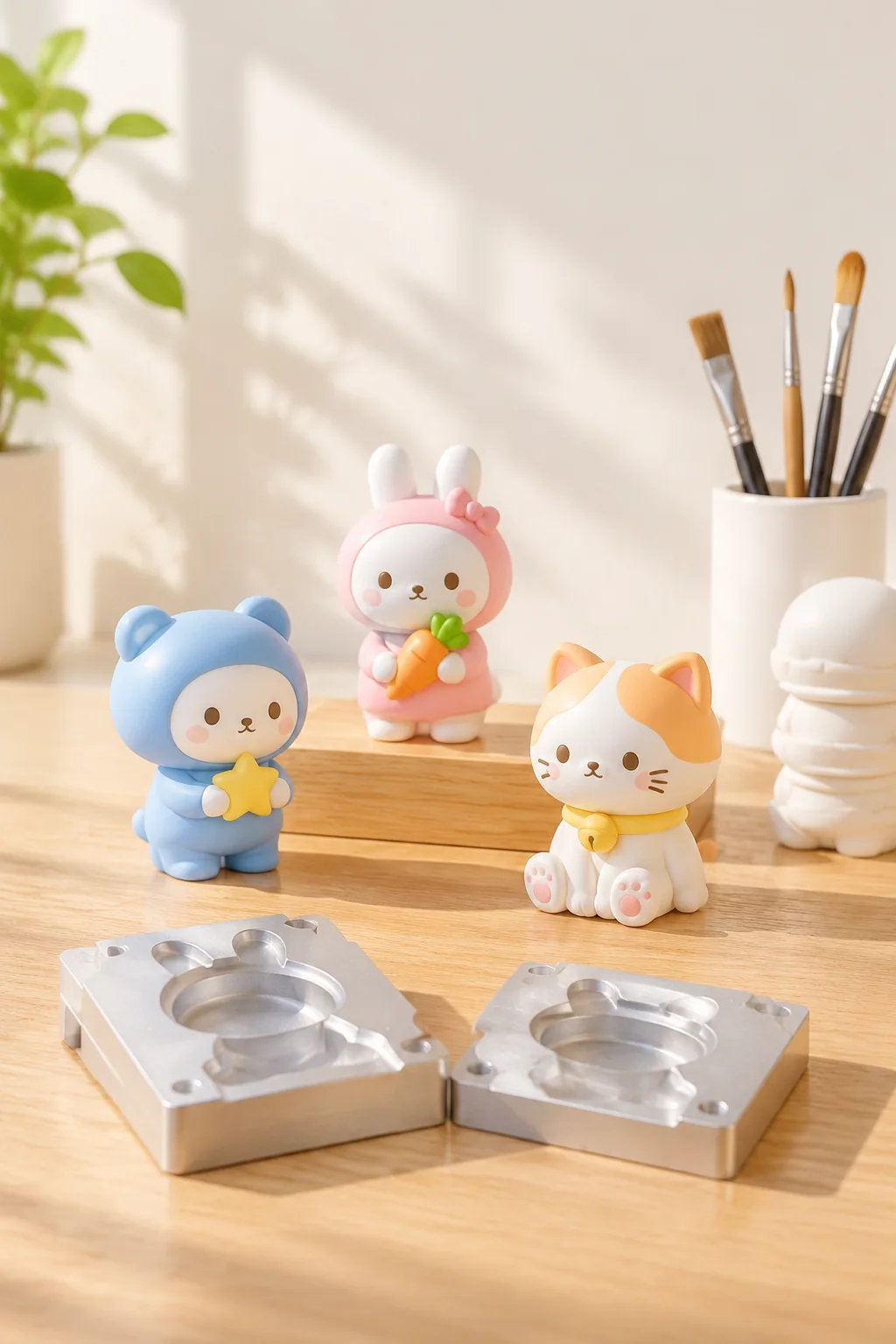
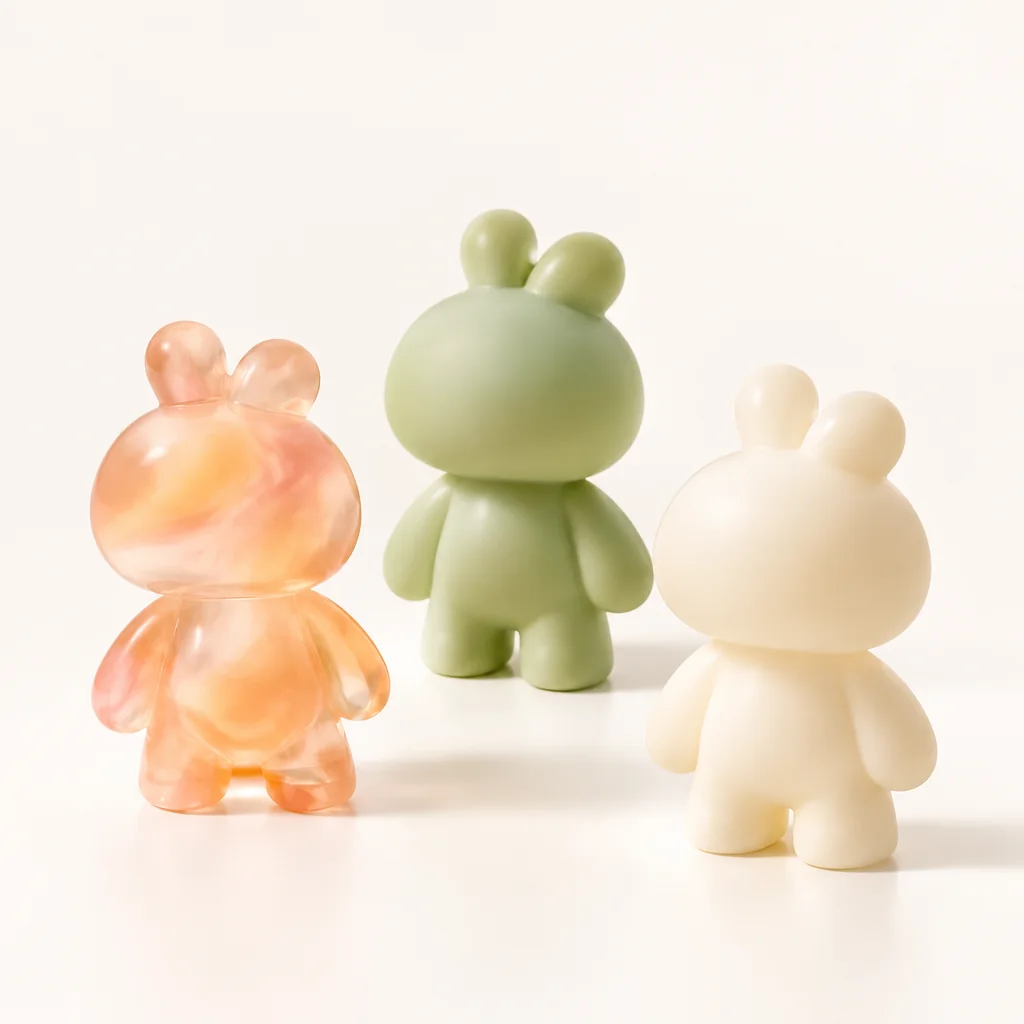

Test pieces we run on the same benches
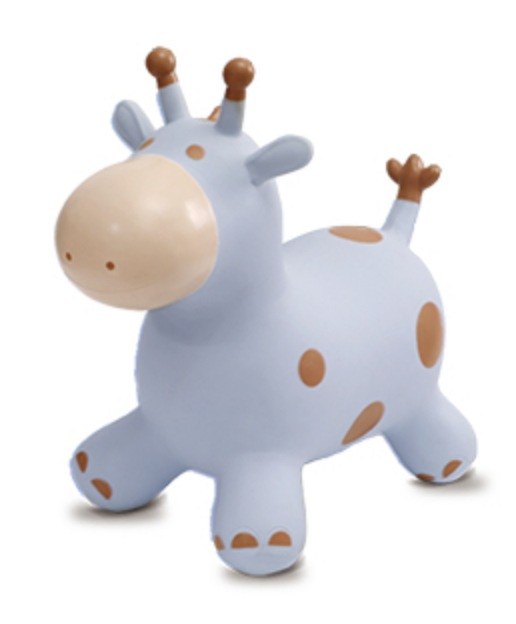
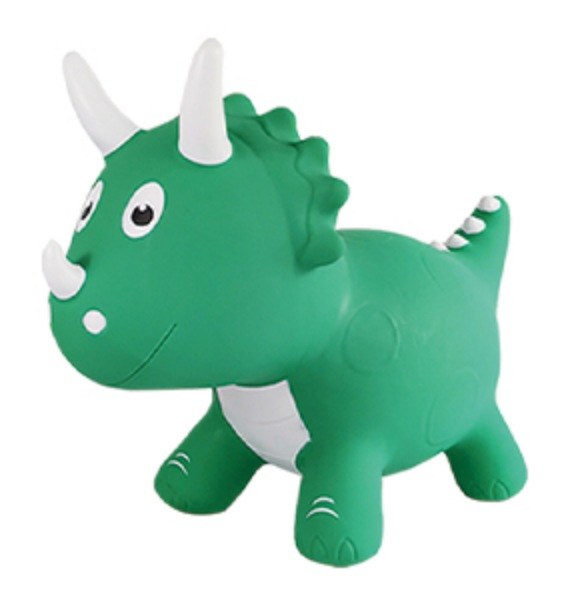
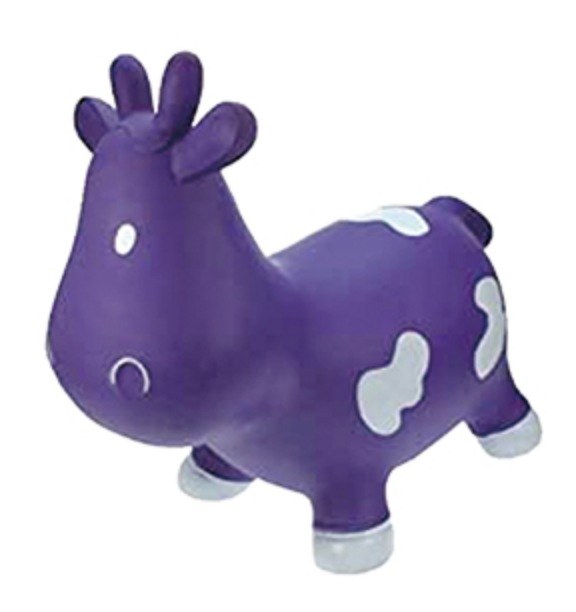
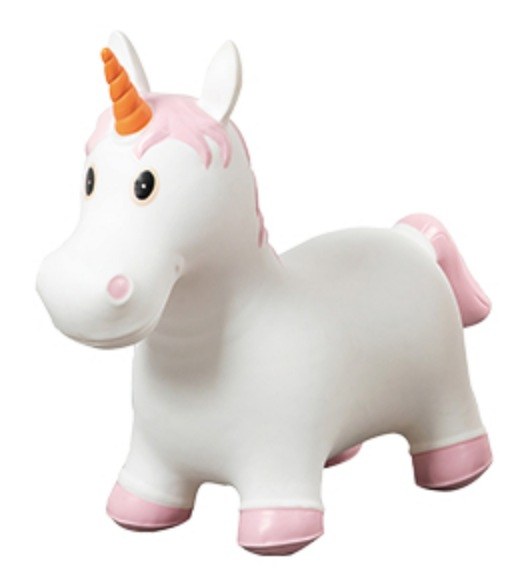
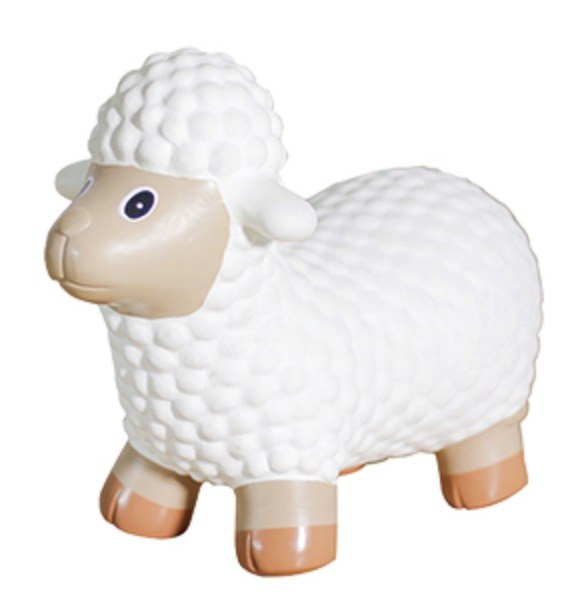
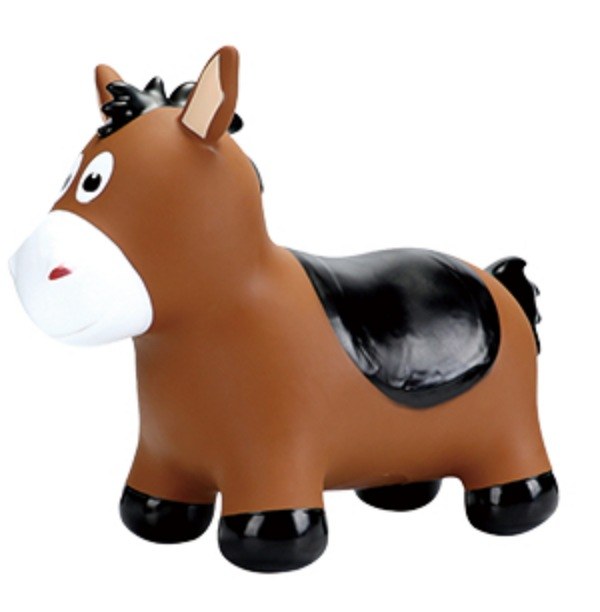
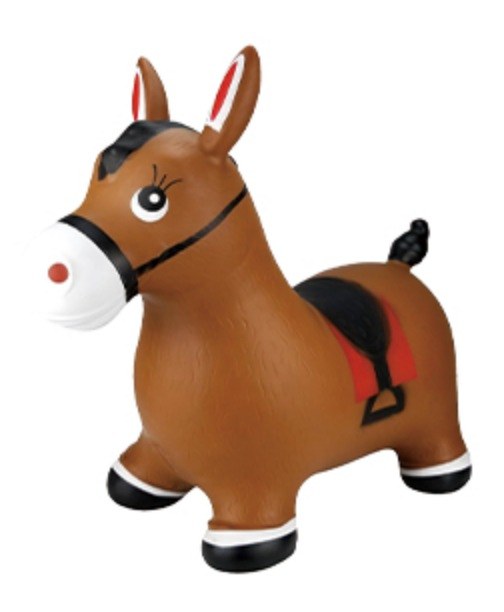
Eight rotocast animals from our own catalogue, in production since before this site existed. They are how we check wall thickness, paint repeatability and joint strength between client orders.
What you actually decide
Wall thickness and weight
Wall thickness is set by the plastisol charge and the rotation cycle, not by the drawing alone. We tune it so the figure stands without a base, feels solid in the hand and still meets the drop test for its age grade.
- Even wall confirmed by sectioning a first-article sample
- Weight balanced toward the feet for shelf stability
- Internal ribs added where a limb has to hold a pose
Paint and finish
Faces are the part buyers judge first, so they are painted by hand on every order rather than masked and sprayed. Bodies can be moulded in colour, sprayed, or left with a soft-touch lacquer that resists scuffing in retail handling.
- Hand-painted eyes, blush and fine line work
- Moulded-in colour for large areas that must not chip
- Matte, satin, gloss or translucent topcoat
The parameters we quote against
Straight answers
Yes. Send a front and side view, or a character sheet with expressions. We build the 3D sculpt, send turntable renders for comments, then print a resin prototype before any mould is cut.
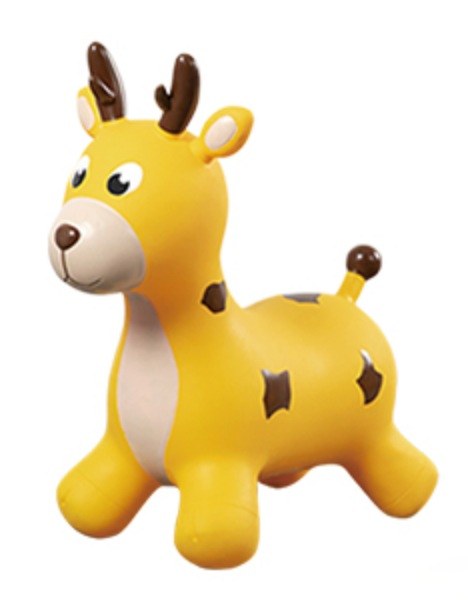
The same file, a different object

Ready to quote your vinyl figure?
Send a drawing, a model or a reference photo. You will get a process route, a sample plan and a price band in one reply.