Nothing about the plastic changed. What changed was how much of the fixed cost each piece had to carry.
MOQ is arithmetic, not a policy. Fixed cost divided by the value of one piece — that is the whole formula, and almost every argument about minimums is an argument about one side of that division while ignoring the other.
Take the tooling side first. An aluminium rotocast mould for a 120 mm character with two body halves and one injected accessory runs several thousand dollars once you include the trial shots, the trimming jig and the paint masks. Spread that across 200 pieces and the tooling alone is a large fraction of the unit price. Spread the same number across 4,000 and it nearly disappears.
Here is the part buyers miss. A resin edition has almost no tooling — a silicone block and a mother mould — so its minimum is set by labour and material batching, not by steel. A plush minimum is set by fabric dye lots, because a short run means buying a whole roll of a colour you will not use again. Three products, three different arithmetic, one word.
Why do factories quote 500 when you asked for 200? Usually because somewhere between those numbers the batch stops being a batch and becomes an experiment: a colour mix that cannot be repeated, a shift that has to be retooled twice, an AQL sample too small to mean anything. That is a real cost, not a negotiating position.
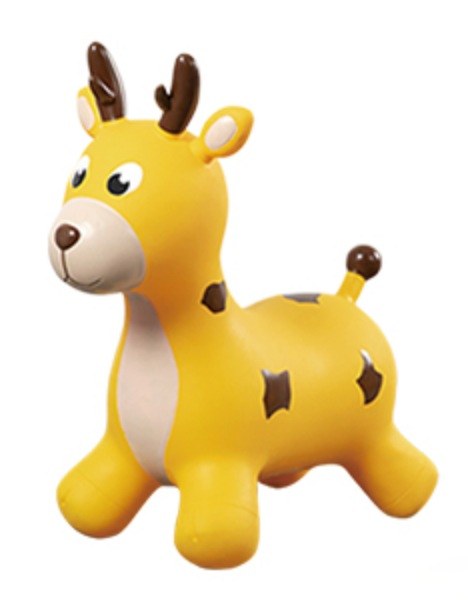
Our own line of animal figures taught us this the hard way. We once ran 300 pieces of a 180 mm deer in a colour we had mixed by eye. The batch was fine. The next batch, four months later, was visibly warmer, and the buyer had every right to reject it — we had sold them a colour, not a one-off object. Seperate mixing records fixed it, and mixing records cost money per batch, which is exactly the fixed cost that minimums exist to cover.
So change the arithmetic instead of arguing with it. Use one mould for two colourways and split the run. Move a small first order to resin and keep the vinyl tooling for the volume that justifies it. Accept a shared tooling cost with a second buyer if the character has a partner. Or simply pay the fixed cost up front and take 200 pieces at a higher unit price, which is often cheaper than 500 pieces you cannot sell.
The number that matters is not the minimum the factory names. It is the quantity at which your landed cost per piece stops punishing you — and that number you can calculate before you send a single email.
Send the size, the quantity band and the market to zhouhongwei@chibetoy.com and you will get the division written out: tooling here, masks there, batch cost per run, and the quantity where it turns. chibe would rather show you the arithmetic than defend a round number.