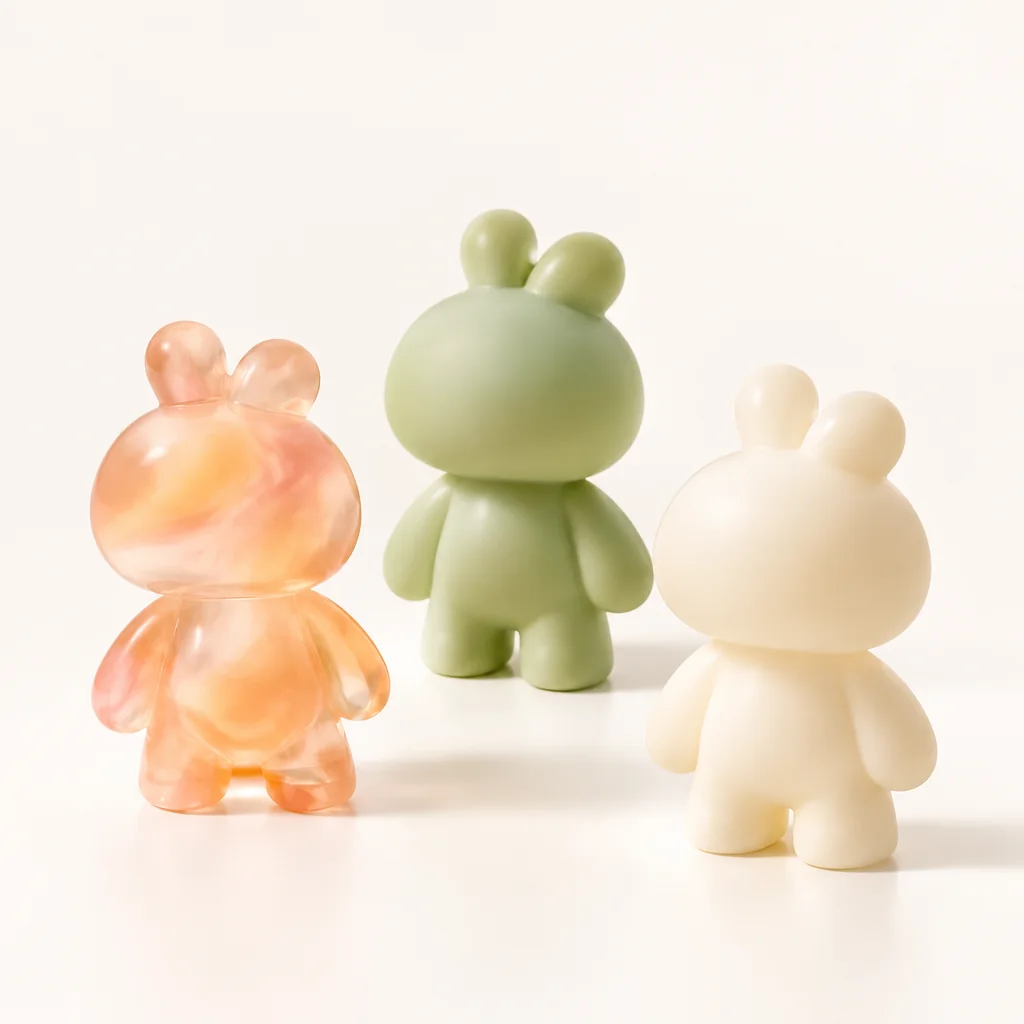
In the EU, toys fall under the Toy Safety Directive with harmonised standards covering mechanical hazards, flammability and migration of elements. Chemical requirements have been tightening, and the practical consequence for a decorated figure is that every ink, coating and substrate in the bill of materials has to be traceable to a test report.
In the US, the CPSIA framework sets lead and phthalate limits and requires children's products to be tested by an accredited laboratory, with a children's product certificate. Again, the documentation follows the materials, so a substitution late in the programme can invalidate a report that was already paid for.
Two habits keep programmes out of trouble. First, freeze the bill of materials before testing and treat any substitution as a re-test, not an equivalent. Second, keep age grading honest: a figure designed for adult collectors and labelled as such avoids some requirements, but the labelling has to match how it is actually marketed.
We are a manufacturer, not a notified body. We prepare samples, keep material declarations and coordinate with the laboratory your market requires; the test reports themselves come from accredited third parties.